
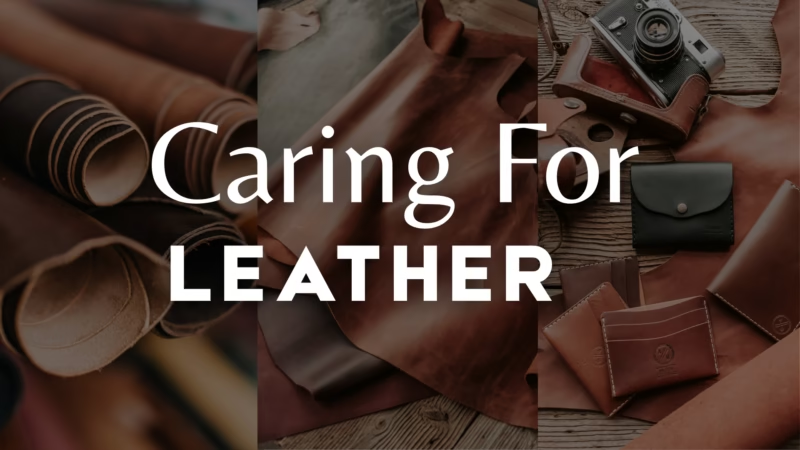
Unlike synthetic materials, genuine leather is a natural product made from animal hide. It breathes, absorbs moisture, and reacts to the environment around it — much like skin. This living quality is exactly what gives leather its character, but it also means it needs active care to stay in peak condition. Over time, leather develops a patina — a rich, darkened sheen that comes from oils, sunlight, and everyday use. Far from being damage, patina is prized by collectors and leather enthusiasts as proof of a well-loved product. But neglect the basics, and that same aging process can lead to dryness, cracking, and discoloration.
Understanding Different Types of Leather
Not all leather is the same. Care requirements vary significantly depending on the type you’re working with.
Full-grain
Highest quality. Retains the full hide surface. Develops the richest patina. Needs conditioning 2–3× per year.
Top-grain
Slightly sanded for uniformity. Very durable. More resistant to stains than full-grain.
Genuine leather
Lower grade made from inner layers. Less durable. Needs more frequent care to prevent cracking.
Suede
Buffed inner side of hide. Soft and delicate. Requires a suede brush and specialist cleaner — never water.
Nubuck
Buffed outer side. Similar to suede but more durable. Use nubuck-specific products only.
Rule of thumb: Always check the care label on your leather product. When in doubt, test any product on a hidden area first.
03
Essential Leather Care Principles
Proper leather product maintenance comes down to five non-negotiable habits:
- Regular cleaning — Wipe down leather after every few uses to prevent dirt buildup that can degrade the surface over time.
- Moisture control — Keep leather away from humidity and damp environments, which can cause mold and warping.
- Proper storage — Store in a cool, dry, ventilated space. Avoid airtight plastic bags which trap moisture.
- UV protection — Direct sunlight bleaches and dries leather. Keep products out of prolonged sun exposure.
- No harsh chemicals — Household cleaners, alcohol wipes, and detergents strip natural oils and cause irreversible damage.
04
How to Clean Leather Products Properly
Cleaning leather correctly is the single most important leather care practice you can develop. Here’s a step-by-step leather cleaning method that works for most smooth leathers:
- 1Dry-brush or gently shake the item to remove loose dust, dirt, and debris before applying any liquid.
- 2Dampen a soft microfiber cloth — never soak it. Use clean water or a dedicated leather-safe cleaner.
- 3Apply a small amount of leather cleaner to the cloth, not directly to the leather, to avoid oversaturation.
- 4Wipe in gentle, circular motions. Work in sections and avoid scrubbing, which can damage the surface grain.
- 5Use a second dry cloth to buff away any cleaner residue and bring out a light shine.
- 6Allow the item to air-dry completely at room temperature before use or storage. Never use a hairdryer or radiator.
Common cleaning mistakes to avoid
- Using baby wipes — they contain alcohol and fragrances that dry leather out
- Applying cleaner directly onto the surface — always onto the cloth first
- Over-wetting the leather — too much moisture leads to stiffness and warping
- Skipping the drying step and immediately conditioning — leather needs to be fully dry first
Why Leather Conditioning Is Important
Even if your leather looks clean, it may be slowly drying out. Leather loses its natural oils over time due to heat, air, and regular use. Without replenishment, it becomes stiff, brittle, and prone to cracking — especially along fold lines on wallets and bag handles.
Conditioning restores those oils, keeping the leather supple and resistant to damage. It also adds a subtle sheen that makes the product look well-maintained without being overdone.
How often? Condition smooth leather every 3–6 months for items you use daily. For items stored away, condition before storage and again when you take them out.
Application method
- Apply a pea-sized amount of conditioner to a clean, soft cloth
- Work into the leather using gentle circular strokes, covering the entire surface evenly
- Pay extra attention to stress points: handles, corners, and fold lines
- Allow 15–20 minutes for absorption before buffing away any excess
06
Protecting Leather from Water Damage
Water is leather’s most common enemy. When leather gets wet, the water displaces the natural oils inside the hide. As it dries, it draws those oils to the surface and out of the leather, leaving the material stiff and potentially discolored.
If your leather gets wet
- 1Blot — don’t rub — excess water immediately with a dry cloth.
- 2Stuff bags and shoes with newspaper to maintain shape as they dry.
- 3Air-dry at room temperature, away from direct heat or sunlight.
- 4Once fully dry, apply a conditioner to restore lost oils.
Preventive waterproofing
Apply a leather waterproofing spray or wax at the start of each wet season. Products like beeswax-based balms are especially effective for full-grain leather. For suede and nubuck, use a silicone-free waterproofing spray formulated specifically for those finishes.
07
Proper Storage Tips for Leather Products
How you store leather items between uses matters just as much as how you clean them. Poor storage is one of the leading causes of cracking, mold, and deformation.
- Leather jackets: Hang on a wide, padded hanger — not a thin wire one which will distort the shoulders. Use a breathable garment bag, never plastic.
- Leather bags: Stuff with acid-free tissue paper or a bag insert to maintain shape. Store upright, not squashed under other items.
- Wallets and belts: Store flat in a drawer or roll belts loosely. Avoid folding belts tightly, which causes permanent crease marks.
- Use dust bags: Most quality leather goods come with a dust bag. Use it. If yours didn’t, a clean cotton pillowcase works perfectly.
- Avoid plastic covers: Plastic traps moisture and leads to mold and mildew, even on seemingly dry leather.
08
Common Leather Care Mistakes to Avoid
Even well-intentioned care routines can cause damage if you’re not careful. Avoid these frequent missteps:
Over-cleaning
Cleaning too often strips natural oils. Once or twice a month is enough for daily-use items.
Excess conditioning
Too much conditioner clogs pores and creates a sticky residue that attracts more dirt.
Household cleaners
Dish soap, bleach, and all-purpose sprays are far too harsh for genuine leather.
Heat drying
Hairdryers, radiators, and direct sunlight cause rapid moisture loss and cracking.
Ignoring stains
Stains set deeper the longer they sit. Always treat spills immediately and gently.
Poor storage
Plastic bags, damp spaces, and stacking items on top of leather all cause long-term damage.
09
Seasonal Leather Care Tips
Your leather care routine should adapt with the seasons. Each season brings its own set of challenges for leather preservation:
Summer
UV rays fade color. Store away from windows. Use UV-protectant spray. Wipe sweat off leather regularly to prevent salt buildup.
Winter
Cold dries leather quickly. Apply extra conditioning before the season. After snow or salt exposure, wipe clean immediately and dry naturally.
Rainy season
Apply waterproofing spray before heavy rain periods. If wet, blot dry and air out thoroughly before storage. Watch for mold in humid climates.
10
How to Remove Common Leather Stains
Stain removal is one of the trickiest aspects of leather product maintenance. The key rule: act fast and use the gentlest method possible first.
| Stain type | Treatment method |
|---|---|
| Water stains | Dampen the entire panel evenly with a cloth, then let dry uniformly. This prevents tide marks. |
| Oil or grease | Blot immediately — never rub. Sprinkle cornstarch or talcum powder, leave overnight, then brush off gently. |
| Ink marks | Dab with a cotton swab dipped in isopropyl alcohol (70%). Work from the edges inward. Test on a hidden area first. |
| Dirt and mud | Let mud dry completely before touching it. Brush off the dried residue, then clean with a damp cloth. |
Important: When treating stains, always test your method on an inconspicuous area like the inner seam or underside first. If the stain is severe or on a valuable item, consult a leather care professional.
11
Professional Leather Care: When to Seek Expert Help
Some situations call for a professional leather restoration specialist rather than a home remedy. Knowing when to step back can save you from making irreversible damage worse.
- Deep cracks or splits in the leather surface that have gone through to the base layer
- Severe or set-in stains (ink, dye transfer, wine) that haven’t responded to gentle home treatment
- Significant color fading or discoloration requiring re-dyeing
- Mold or mildew growth that has penetrated beyond the surface
- Structural damage to bags (broken stitching, detached handles) that affects usability
- High-value items (luxury handbags, heirloom jackets) where the risk of DIY mistakes is too high
A reputable leather restoration service can re-dye, re-stitch, recondition, and even reconstruct damaged areas — often returning items to near-original condition. The cost is almost always worthwhile on quality pieces.
12
Frequently Asked Questions
How often should I condition leather?
For items used daily, condition every 3–4 months. For occasional-use items, condition before and after storage seasons. If your leather feels stiff or looks dull, it’s time to condition regardless of schedule.
Can I wash leather products at home?
Never machine-wash leather — water immersion and agitation will ruin it. Hand-clean with a slightly damp cloth and a leather-safe cleaner only. For linings and pockets, use a lightly damp cloth to spot-clean fabric areas.
What is the best leather cleaner?
Brands like Leather Honey, Lexol, and Bickmore are widely trusted by leather care professionals. Look for pH-balanced, solvent-free formulas. Avoid anything containing bleach, alcohol as a primary ingredient, or silicone.
How do I remove bad odors from leather?
Place the item in a clean area with good airflow for 24–48 hours. For persistent odors, place an open container of baking soda near (not touching) the leather inside a sealed bag for a few days. Avoid spraying perfume or deodorizer directly on leather.
Can cracked leather be repaired?
Minor surface cracks can be treated with a deep-conditioning treatment and a leather filler product, followed by color-matched touch-up dye. Deep cracks that penetrate through the hide are best handled by a professional leather restorer.
Is petroleum jelly safe to use on leather?
While sometimes used as a quick fix, petroleum jelly is not recommended for leather care. It can clog pores, attract dust, and cause darkening over time. Use a purpose-made leather conditioner instead.
How do I care for colored or dyed leather?
Always test cleaners and conditioners on a hidden spot first — some products can lift or alter dye. Use color-safe leather products and avoid excessive moisture which can cause dye transfer or bleeding on brightly colored leathers.
✦
Conclusion
Caring for leather products doesn’t require hours of effort — it requires consistent, informed habits. Clean regularly, condition seasonally, store thoughtfully, and act quickly when accidents happen. Follow those four principles and your leather goods will age beautifully, developing that coveted patina while remaining strong and supple.
The best leather products aren’t the most expensive ones — they’re the ones that have been cared for. Whether it’s a worn-in jacket, a beloved wallet, or a bag you’ve carried for years, every piece of leather tells a story. With the right care, tha