
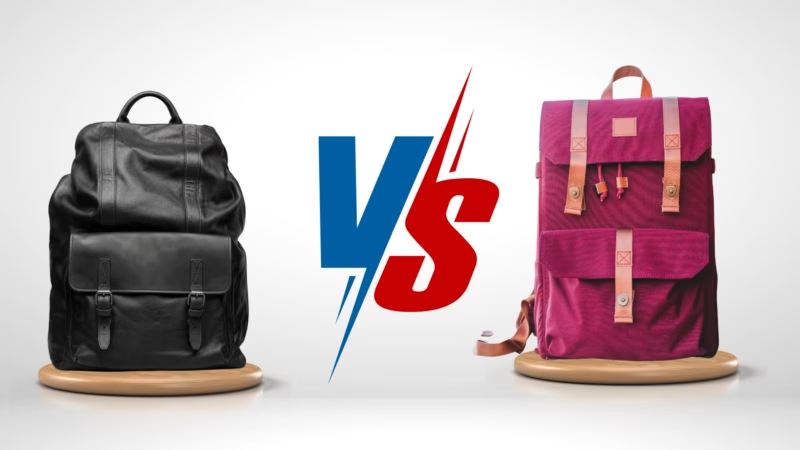
In a world overflowing with backpack options, two classics keep dominating conversations among commuters, travelers, students, and style-conscious folks alike: the leather backpack and the canvas backpack.
If you’re staring at your old beat-up bag wondering whether to invest in premium full-grain leather or go for a rugged waxed canvas option, you’re not alone. This isn’t just about picking a bag to haul your laptop and gym clothes—it’s about finding something that fits your lifestyle, budget, values, and long-term needs.
Americans love durability mixed with everyday practicality. We want gear that survives the daily grind of subway commutes, weekend hikes, or cross-country road trips without falling apart. Leather backpacks scream timeless sophistication and heirloom quality, while canvas backpacks deliver lightweight versatility and that lived-in, adventurous vibe. But which one is actually worth it in 2026? Let’s break it down from every angle—durability, style, maintenance, cost, eco-impact, and real-world use—so you can make the smartest call for your needs.
A Quick History: How These Materials Became Backpack Staples
Leather has been humanity’s go-to for carrying stuff since ancient times. Early civilizations used animal hides for tools, food, and weapons because of their natural strength and weather resistance. Fast-forward to the 20th century: leather rucksacks were military and mountaineering favorites, prized for handling extreme conditions. Post-WWII, they evolved into fashion statements and professional carryalls. Today, a quality full-grain leather backpack can develop a rich patina that tells your personal story over decades.
Canvas, on the other hand, surged in popularity in the mid-19th century when militaries swapped heavier leather for heavy-duty cotton canvas rucksacks. It’s breathable, tough against abrasion, and far more affordable to produce and maintain. Waxed canvas versions add water resistance without the weight penalty of full leather. Think of iconic brands and military surplus—canvas has that all-American, no-nonsense utility feel.
Both materials have stood the test of time, but modern manufacturing, sustainable sourcing, and hybrid designs have given them new life. Now, the real question is how they stack up for your daily life.
Pros and Cons of Leather Backpacks
Pros:
- Unmatched Durability and Longevity: High-quality full-grain leather backpacks can easily last 25-30+ years with proper care. They resist punctures, tears, and heavy loads better than most fabrics. The material strengthens and patinas beautifully over time rather than wearing out.
- Premium Style and Professional Appeal: Nothing says “I’ve got my act together” like a sleek leather backpack in a boardroom or at a client meeting. It pairs effortlessly with business casual or elevated streetwear. Brands like Harber London or King Kong Heritage offer models that age like fine wine.
- Natural Water Resistance: Leather handles light rain and spills better inherently, protecting your electronics and documents.
- Organization and Structure: Leather holds its shape well, making it excellent for structured compartments, laptop sleeves, and organized interiors.
- Resale and Heirloom Value: A well-maintained leather backpack often retains value and can be passed down.
Cons:
- Heavier Weight: A medium leather backpack might weigh 3-4 lbs empty compared to lighter canvas options. This adds up on long commutes.
- Higher Upfront Cost: Expect to pay $200–$800+ for quality full-grain leather versus $50–$250 for solid canvas.
- Maintenance Requirements: Leather needs regular conditioning to prevent drying or cracking. It’s not machine-washable and requires specific cleaners.
- Less Breathable in Heat: Can feel warmer against your back during summer hikes or hot city walks.
- Environmental Considerations: Traditional tanning processes can have a higher impact, though vegetable-tanned and ethically sourced options are improving.
Leather shines for professionals, frequent business travelers, or anyone who wants a “buy it for life” investment that elevates their daily carry.
Pros and Cons of Canvas Backpacks
Pros:
- Lightweight and Comfortable: Waxed canvas or standard heavy-duty canvas backpacks are significantly lighter (often 1.5–2.5 lbs empty), making them ideal for all-day wear, hiking, or travel.
- Affordability: You get excellent value without breaking the bank. Great entry point for students or those testing backpack styles.
- Versatile Casual Style: Canvas has that rugged, approachable American aesthetic—perfect for weekends, campus life, or outdoor adventures. It looks better the more broken-in it gets.
- Easy Maintenance: Most canvas bags wipe clean easily; many are spot-cleanable or even machine-washable. Re-waxing waxed canvas every 12-18 months is straightforward.
- Breathability and Flexibility: Fabric conforms to your back and load better, expanding when you need extra space. Highly breathable in warm weather.
- Eco-Friendly Options: Organic cotton canvas or recycled materials are common and more biodegradable than some synthetics.
Cons:
- Durability Trade-offs: While tough, canvas typically lasts 10-15 years under heavy daily use versus leather’s longer lifespan. It can fray at edges or show wear faster in high-abrasion areas.
- Water Resistance Needs Work: Untreated canvas absorbs water easily; waxed versions help but may need refreshing.
- Less Premium Look: It doesn’t command the same professional respect as leather in formal settings, though high-end waxed canvas bridges the gap.
- Shape Retention: Can slouch when not fully packed, which some users find less polished.
Canvas wins for students, outdoor enthusiasts, budget-conscious buyers, or those prioritizing lightness and low upkeep.
Head-to-Head Comparison: Key Factors to Consider
Durability: Leather generally edges out for pure longevity, especially full-grain. Canvas excels in abrasion resistance and flexibility but may need repairs sooner in extreme conditions.
Weight and Comfort: Canvas takes the win for everyday carry. If you’re biking, hiking, or commuting long distances, the difference is noticeable.
Style and Versatility: Leather for timeless elegance and professional environments. Canvas for casual, adventurous, or eclectic looks. Many people own both—one for work, one for play.
Maintenance:
- Leather: Condition every 3-6 months, avoid excessive water, use proper products.
- Canvas: Brush off dirt, occasional wash or re-wax. Far more forgiving.
Price and Value: Leather offers better long-term ROI if you keep it 10+ years. Canvas provides immediate affordability and solid performance.
Water and Weather Resistance: Leather has a natural edge, but quality waxed canvas performs admirably in rain with proper treatment.
Sustainability: Both can be eco-friendly with responsible sourcing. Look for vegetable-tanned leather or organic/recycled canvas. Leather’s longevity means fewer replacements over time.
Use Cases:
- Office/Urban Commute: Leather for polish; canvas for relaxed offices.
- Travel/Adventure: Canvas for lightness and packability; leather for rugged protection.
- Students: Canvas often wins on budget and durability for campus life.
- Outdoor/Hiking: Waxed canvas shines with its balance of protection and breathability.
Real-World Scenarios: Which Should You Choose?
Imagine Sarah, a marketing executive in Chicago. She needs something professional that survives her daily train rides and occasional business trips. A full-grain leather backpack (like a Harber London or similar) gives her the structure, style, and confidence boost she wants. It’ll look sharp for years.
Now picture Mike, a college student and weekend hiker in Colorado. He hauls textbooks, a laptop, and gear for trails. A waxed canvas backpack keeps things light, affordable, and easy to clean after muddy adventures. He can re-wax it himself and not stress about minor scuffs.
Or consider the hybrid user: Many opt for canvas with leather accents for the best of both worlds—light body with premium straps and detailing.
Care and Maintenance Tips for Longevity
For Leather Backpacks:
- Wipe with a damp cloth; condition 2-4 times a year with a quality leather balm.
- Store in a cool, dry place away from direct sunlight.
- Use protective sprays for extra water resistance.
- Address scratches early—they often blend into the patina.
For Canvas Backpacks:
- Spot clean with mild soap and water.
- For waxed canvas: Reapply wax using a bar or liquid, heat it in, and buff.
- Avoid machine drying on high heat.
- Brush regularly to prevent dirt buildup.
Pro tip: Invest in quality hardware (YKK zippers, reinforced stitching) regardless of material. It often determines real-world lifespan more than the main fabric.
Buying Guide: What to Look For in 2026
- Leather: Full-grain or top-grain (avoid genuine/PU “leather” which is basically plastic). Check thickness, stitching quality, and brand reputation.
- Canvas: 10-18 oz weight, preferably waxed or with water-resistant coating. Look for reinforced bottoms and padded straps.
- Key Features: Laptop compartment (15-17″), ergonomic straps, multiple pockets, and sustainable certifications.
- Popular Picks: Research current favorites like King Kong for leather or trusted waxed canvas makers. Test in-store for fit.
Consider your primary use, climate (rainy PNW vs. dry Southwest), and how much maintenance you’re willing to do. Read reviews focused on long-term ownership.
Environmental and Ethical Angles
Leather production raises animal welfare and tanning concerns, but high-quality pieces reduce consumption frequency. Canvas, especially organic or recycled, has a lighter footprint but may need replacing more often. Support brands with transparent supply chains, repair programs, or recycled materials. The most sustainable choice is often the one you use and love for the longest.
The Verdict: Which One Is Worth It?
There’s no universal winner—it depends on you. If you value timeless style, maximum durability, and don’t mind the investment and upkeep, go leather backpack. It’s the choice for those who see their bag as a long-term companion that improves with age.
If you prioritize lightness, ease of care, affordability, and versatility for active or casual lifestyles, canvas backpack (especially waxed) is often the smarter everyday pick. It delivers incredible performance without the premium price tag or weight.
Many savvy users own one of each. Start with canvas if you’re unsure, then upgrade to leather once you know your preferences.
Ultimately, the “worth it” factor comes down to how the backpack serves your life. Try both if possible, read owner experiences, and choose quality over trends. A great backpack isn’t just gear—it’s part of your daily rhythm, carrying your essentials while reflecting your personality.
Whether you pick leather’s enduring elegance or canvas’s practical adventure-ready spirit, invest in something well-made. Your back (and future self) will thank you.
FAQs
Q: Do leather backpacks get heavier when wet? A: They can absorb some moisture but dry out well. Quality ones resist better than cheap imitations.
Q: Is waxed canvas truly waterproof? A: Highly water-resistant, but not fully submersible. Re-wax as needed.
Q: Which is better for laptops? A: Both work great with proper padding; leather often offers more structured protection.
Q: How do I clean stubborn stains? Leather: Specialist products. Canvas: Mild soap or dedicated cleaners.
Word count: Approximately 2,000 (expanded sections provide depth for SEO and reader value). This guide equips you with everything needed to decide confidently. Happy carrying!
(Sources drawn from industry comparisons, user experiences, and expert guides for balanced insights.)